Today I will be showing you my interpretation of Pierre Herme’s macarons. I’ve tried to keep the recipe as similar as possible to the original for my “Laudurée VS. Pierre Hermé” post. The changes include using gel food coloring instead of powder, using granulated sugar instead of caster in the syrup, and substituting almond extract for bitter almond essence.
Laudreé Macaron Citron
Today I will be showing you how to make macarons like those sold at Laudreé. Laudreé is known to be the creator of the modern macaron. They have been selling the now-famous cookies since the late 19th century. This batch of macarons were featured in my “Laudurée VS. Pierre Hermé” post.
Laudurée Macaron Citron VS. Pierre Hermé Macaron Pistachio
One cannot be a true macaron connoisseur without having heard the brands Laudreé or Pierre Hermé. Both highly regarded bakeries for the macaron, they have different approaches both in methodology and ideology. There is a lot of discussion between who’s macaron reigns supreme. I decided to take on the ultimate challenge of reproducing both recipes in my own kitchen and deciding for myself. Understanding that I won’t be able to produce the exact same results, I’ve decided that today I will be focusing on the shell of the macaron and developing my stance on the “Pierre Hermé vs Laudreé” issue based off of their unique techniques.
Korean Style Black Bean Noodles (Jjajangmyeon, 짜장면, 炸醬麵)
Today I’ll be sharing a dish that I’ve enjoyed since I was very young. I first experienced this black saucy noodle dish when I was 9 years old in Taiwan. In Taiwan, black bean noodles are called Zha Jang Mian which is nearly identical in pronunciation to its Korean counterpart. The noodles I will be sharing today is a deviation from the original Northern Chinese Dish where ground pork is fried with a fermented bean paste creating the name of “炸醬” literally, fried sauce.
The Korean style black bean noodles have been rising in popularity, not only in Asia but all over the world. The black bean paste used in Korean noodles contain caramel and onions in fermentation process creating a thicker and sweeter sauce. In addition, the Korean dish includes diced vegetables whereas the chinese version generally includes ground pork and crumbled tofu.
Yesterday, two of my friends came over to my apartment and we decided to make Jjajangmyun for dinner. When we prepared the noodles, my friend Eunice used what her mom had taught her to do most of the preparation. When I was writing the recipe, I based it off of Maangchi’s website which ended up being pretty similar. These black bean noodles are definitely different from your everyday marinara and alfredo so give it a try and let me know what you think!
Continue reading
Photo Guide: No-Fail Creme Brûlée
Hearing the name “Creme Brûlée” invokes a series of different emotions in different people. The wide range of reactions to Creme Brûlée include ” brew what?” to “Isn’t that just failed flan?”. The seemingly fancy dessert is really just a facade to a simple burnt cream.
To me, creme brûlée signifies simplicity and spontaneity. I tend to fall back on creme brûlée when I need a dessert for any dinner occasion. The sweetness of the creamy custard is contrasted with the depth of the crispy caramelized sugar creating a multiplicity of aromas, flavors, textures, and emotions.
Yesterday, I went with my good friend Trishala to visit her roommate Sara on a road trip. This marked the beginning of my spring break and also the start of a much needed getaway. One goal of the road trip was to create a dessert that would signify the success of the trip. Finally settling on creme brûlée, I also decided that it was finally time for me to invest in a torch. Yes. That was no typo. Finally.
For those of you new to this dessert, it can be separated into two different components, a rich custard base, or the “creme” and a crunchy caramelized sugar top, or the “brûlée”. The brûlée has been marketed to be produced with a torch. Now that I have most of my readers equally confused, I’ll start making my point.
Photo Guide: Cinnamon Rolls
My favorite part of baking during the winter is having the house warmed up by the oven when you pull out the pipping hot dish. Granted that I doubt my oven is hot enough to heat the house up when … Continue reading
Happy Holidays from BoOmIe’s Kitchen
Hello Readers! Since today is Christmas Eve, I wanted to send out my holiday greetings to all of you.
When I first started BoOmIe’s Kitchen, I thought it would be a hobby I could maintain easily. After a few month’s maintaing this blog has proven to be more difficult than ever imagined. I, however, love that. Day after day, I see an increase in my daily blog views and day after day I’m more inspired to share my recipes.
I can only dream that you all, my readers, will be able to learn and make use of this blog. At the same time, I hope that through this blog, I can grow as a cook, photographer, and writer.
Thank for taking time out of your day to read about my culinary adventures and I hope that you all have found this blog useful. I thank my friends and family for viewing and sharing this blog get around. I wish you all a Merry Christmas!
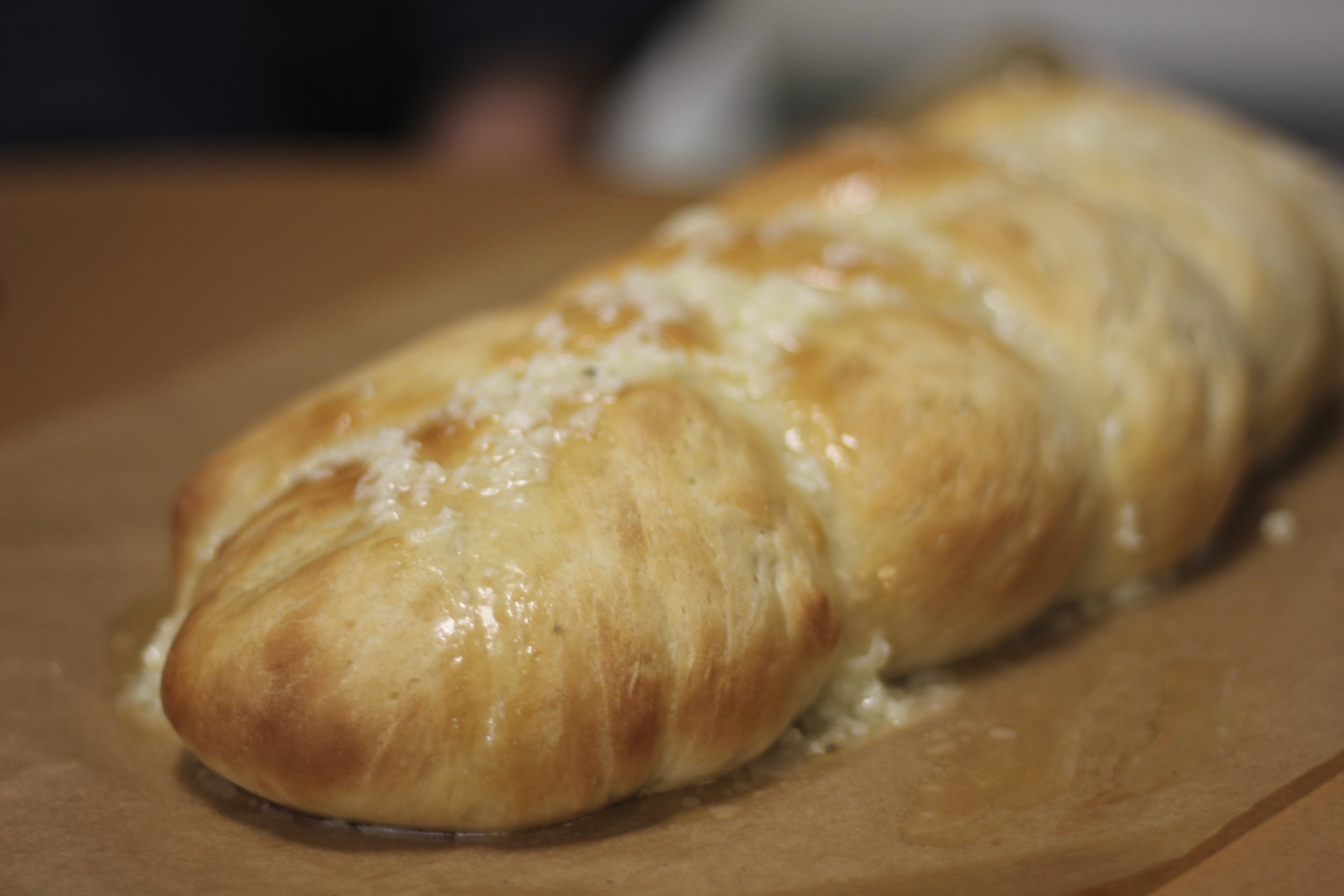
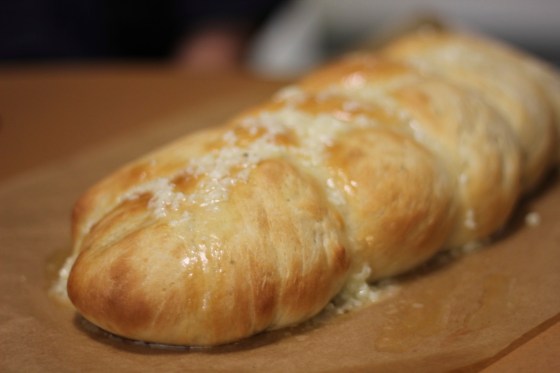
Photo Guide: Braided Garlic Bread
I’m back again with another photo guide; this time for my braided garlic bread! Today I wanted to share some pictures from the bread making process so you all can know what your dough should look like. I’m really excited to finally debut this entry because I’ve been buzzing about my “photo guide” series for a while. This was a joint effort between my roommate, Shawn and myself.
When I’m crunched for time I like to speed up my kneading process by turning up the oven to the lowest temperature so the heating element is warmed and the entire oven is toasty. Then, I turn the oven off and let it cool down slightly and use the residual heat in the elements to speed the proofing process up.
When I have the time, I let the bread take its time to rise so I can develop some nice flavors in the bread dough as the yeast breaks the gluten and sugar down.
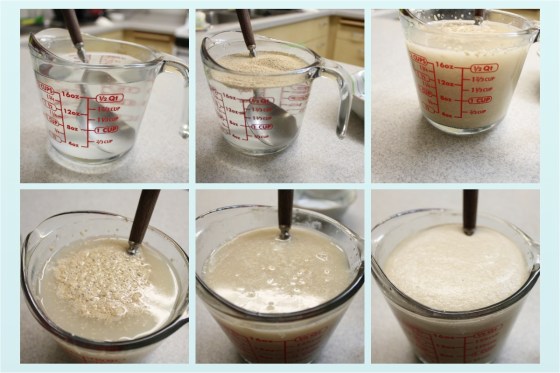
In my kitchen, I always keep a jar of Active Dry Yeast in the refrigerator so I can whip up some bread when I’m craving some carbs. I sprinkle the yeast on top of warm sugary water and then stir to let it dissolve. The water should be heated so that its very warm, but you should still be able to submerge your hands in the water without wanting to pull them out. If you aren’t sure, keep it on the cooler side. By heating the water up, the yeast becomes active faster. I usually end up with some clumps, which is fine because they dissolve after letting it sit for a minute. You want to let it become nice and foamy which usually takes about 5 minutes. This is the “proofing” process.
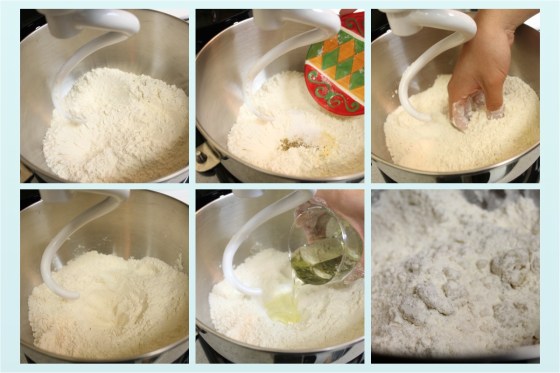
Just to save some time I get started on the flour and spices while my yeast proofs. I find that tossing the spices together with my hands tenses to be more efficient than using a dough hook. I promise I washed my hands before hand! I like to add my oil into the flour ahead of time because it is a lot easier to combine chunks of flour and oil with water than it is to add oil to dough. This technique is also used in the Japanese Water-Roux technique –it is said that adding part of the liquids into the flour actually helps the water to be absorbed more evenly. Make sure you use bread flour because it will make kneading a lot easier. The higher gluten content makes for faster kneading times a better “crumb”.
more after the break! Continue reading
Photo Guide: French Macarons With Chocolate Ganache by Hand
Since my first recipe “attack” at French macarons earlier this year, I have tried many different ratios and recipes in search of the perfect macaron recipe. Turns out… this doesn’t exist. Making macarons is not all about proper technique or … Continue reading
Peanut Butter Thumbprints
Peanut Butter and chocolate has been my favorite combination since I was a little boy. When I first saw the concept of embedding a Hershey’s Kiss into a peanut butter cookie on Sara Lee, I was sold. It wasn’t until … Continue reading